
What Does Root Rot Look Like in Orchards, WA, Trees?
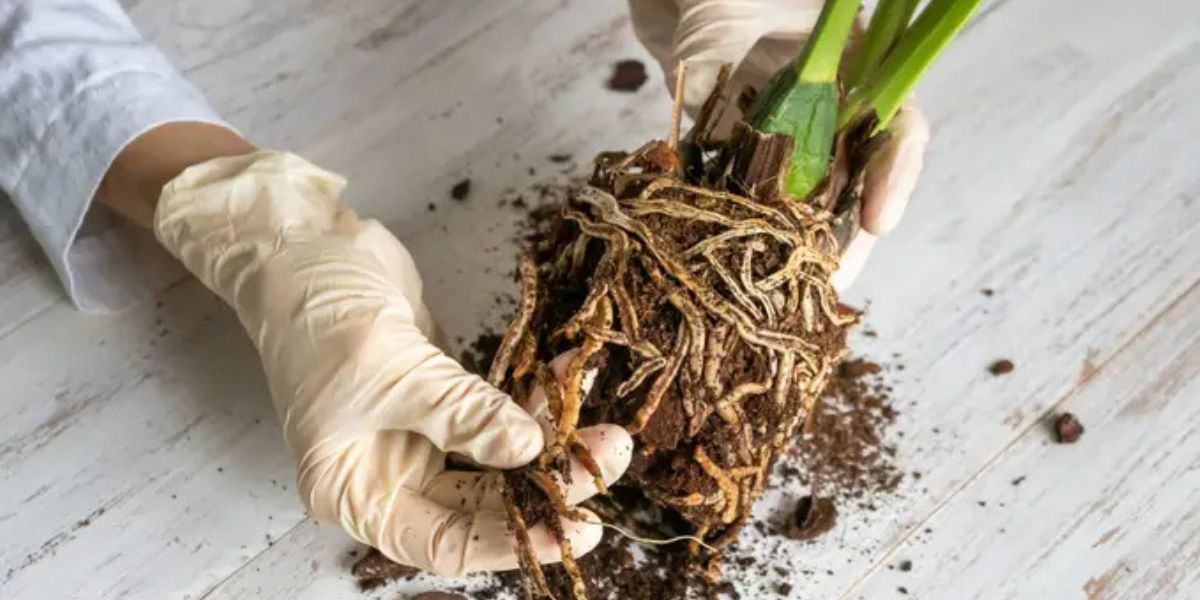
Root rot can quietly damage a tree’s roots long before you notice anything wrong above ground. By the time leaves turn yellow or branches start dying, the problem may already be severe. So, what does root rot look like, and how can you catch it early?
As professionals offering tree services in Orchards, WA, we often diagnose root rot during routine inspections. This guide explains the warning signs and treatment options to help protect your trees.
What Causes Root Rot in Trees?
Root rot starts when the soil stays wet for too long, cutting off oxygen to the roots. Once weakened, roots become easy targets for soil-borne fungi like Phytophthora and Armillaria.
These pathogens can lie dormant in soil for years. Heavy rain, overwatering, or compacted soil all contribute to waterlogging, which allows them to become active.
Signs of Root Rot in Trees
Knowing what root rot looks like in Orchards, WA, trees starts with watching the canopy. Leaves may turn yellow, wilt, or brown even when watering seems adequate. New growth often comes in smaller and paler than usual.
Branches may start dying back from the tips toward the trunk, making the canopy look thin or uneven over time.
Fungal Growth and Structural Warning Signs
Mushrooms or dark fungal structures near the tree’s base are serious red flags. Armillaria root rot produces honey-colored mushrooms at the base.
Black root rot leaves dark, finger-like growths on decaying roots. These may even push up through the soil nearby. A tree that leans or feels unstable may have lost its anchorage.
What Does Root Rot Look Like Below the Surface?
If erosion or digging exposes any roots, symptoms of tree root rot and decay become much clearer. Rotted roots appear dark brown and mushy and may fall apart when touched.
Healthy roots are firm and light-colored. This contrast makes identification straightforward when roots are visible.
How To Identify Root Rot in Trees Early
The effects of root rot on tree health build gradually, so early detection matters. Slow or stunted growth and fewer leaves than usual are often some of the first clues. Catching such changes sooner rather than later gives you (and your tree) a fighting chance.
Treating and Preventing Root Rot
An expert can sometimes prune infected roots to protect the healthy ones. In more advanced cases, removal may be necessary. Prevention comes down to a few key habits:
- Improve drainage to avoid waterlogging around the roots.
- Avoid overwatering, and plant trees in well-draining spots.
- Remove dead stumps before replanting to stop fungi from persisting in the soil.
- Replace removed trees with more disease-resistant species when possible.
Call Us for Reliable Tree and Plant Health Care in Orchards, WA
What does root rot look like on your property? Our team at Alexa’s Tree Service can assess your trees and catch diseases early. We also help you avoid common tree removal mistakes that can worsen plant health.
With 15+ years of experience, we handle tree removal, trimming, pruning, and more. Contact us today at (360) 723-6688 for a free estimate.